-
 play_arrow
Eita Radio The Township's 1st voice
-
 play_arrow
2026.10.13 - Thembi Buthelezi: The Employed Entrepreneur Lunch Beats


– By Nomzamo Duma
When I was in Grade 5, my mother bought me a beautiful pair of pumps.
They were black, with a big bow on top. The material had an interesting texture and a subtle sparkle, while the bow was finished with gold clasps on either side. They were beautifully crafted, extremely comfortable and to me, absolutely perfect.
I wore them to church that week and felt like a princess. A few people commented on how pretty they were, which only made me love them more.
A week later, I wore them to school.
No one cared.
A month later, after learning about brands, I wore them again and made sure anyone who would listen knew the name of the brand.
Again, no one cared.
That was my first lesson in luxury. And the last time I wore those pumps.
Looking back, I realise my ten-year-old self had stumbled upon the paradox of consumer culture: luxury cannot exist in a vacuum, but it dies in a crowd. The shoes had not changed within that week, or even the month. They were still comfortable, beautiful, well crafted and sparkly.
I thought nobody else had them because they were rare. The truth was, nobody had them because the brand was already washed out.
True luxury requires an illusion of distance, gatekeeping and scarcity. The moment a brand prioritizes mass familiarity and widespread distribution, that essential distance collapses. When an item transitions from a rare, coveted sight to a common uniform, it loses its aura, the psychological magic that makes it desirable in the first place.
Like my childhood pumps, a product doesn’t have to physically change to lose its value. The craftsmanship can remain impeccable, the materials can still be beautiful and the design can be absolutely perfect. However, if the brand name attached to it has been over exposed, commonized and thoroughly consumed by the masses, the market reacts with total indifference and the brand loses its magic.
Luxury cannot exist in a vacuum, but it dies in a crowd. This is the defining and harsh truth of the highend market. ubiquity erodes luxury.
We see this paradox playing out today on a global scale, supercharged by the digital world. In the past, high-end fashion houses were protected by physical and geographical barriers; you had to travel to major fashion capitals or flip through magazines to even see their creations. Today, algorithmic feeds and influencer unboxings have made the visual language of luxury entirely inescapable. We are drowning in the very logos that were once meant to signal an unapproachable world of elite craft.
You may argue that the accessibility of luxury can be good for a brand, and, technically, you wouldn’t be wrong. It introduces more people to its products, creates more customers, and keeps the brand culturally relevant. This idea is good for retail shops, as they rely on mass sales and trends to survive.
However, excessive familiarity is fatal to a luxury house.
When everyone recognises a name, wears the logo, talks about it online, and can easily buy some version of it, the brand risks transitioning from a distant aspiration to a mainstream commodity. True luxury operates on the snob effect, the psychological desire to own something that separates the individual from the crowd. If a high-end brand caters too heavily to mass accessibility by flooding the market with cheap entry-level accessories, it strips itself of its gatekeeping power.
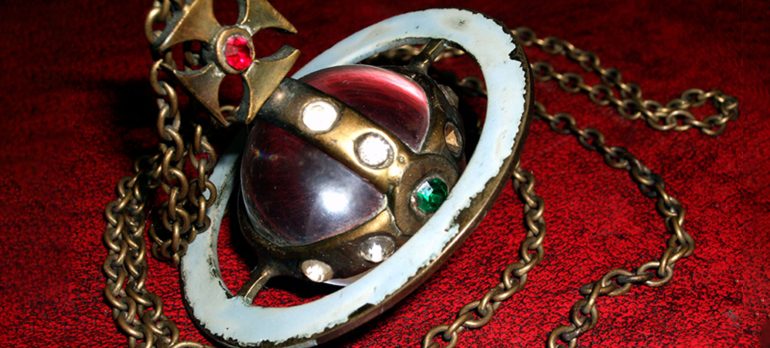
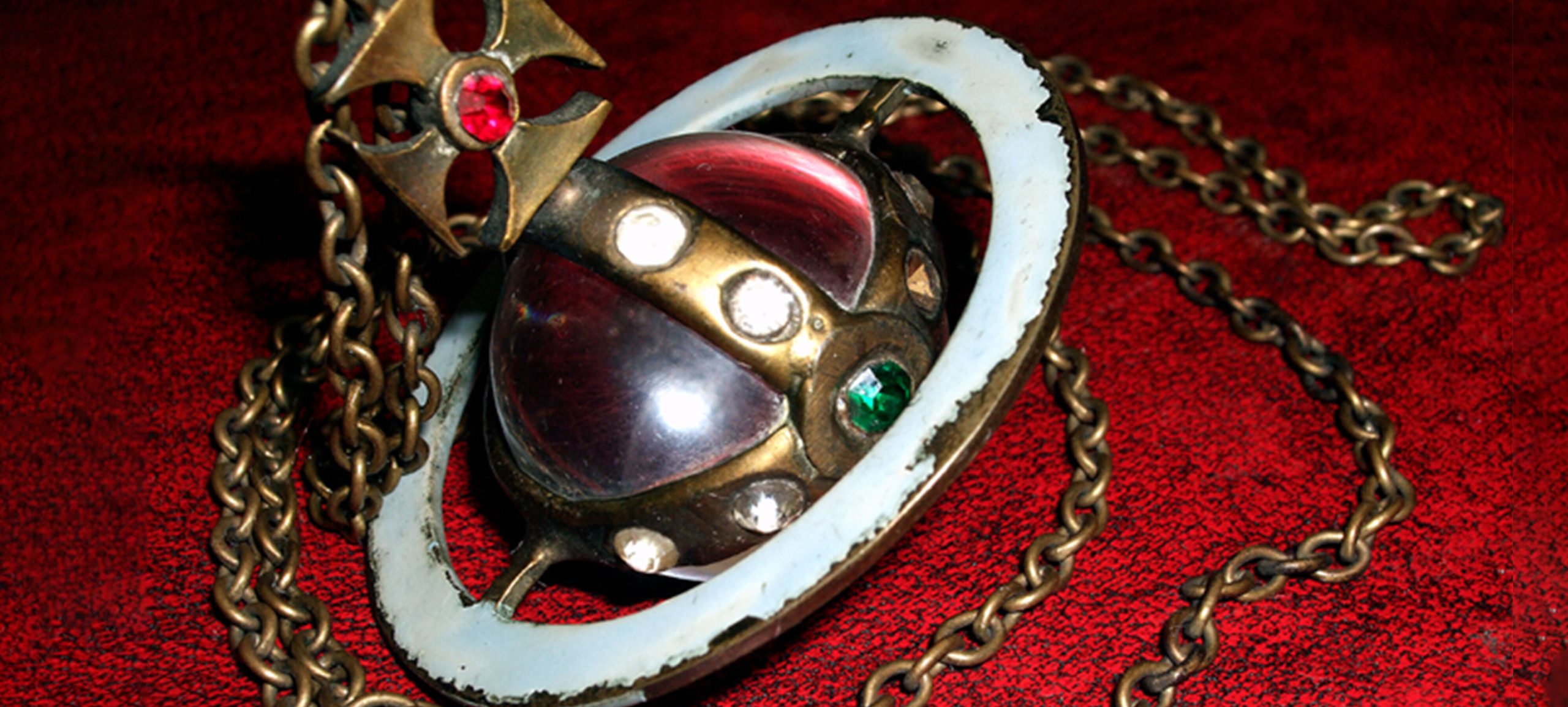
Take Vivienne Westwood’s Orb jewellery as a modern example. For decades, the Orb represented the rebellious, anti-establishment spirit of the brand. Then, its brass and Swarovski pearl Orb choker exploded across TikTok and among younger fashion and anime audiences. Suddenly, the piece seemed to be everywhere. The trend gave the brand enormous visibility among a younger generation. But it also created an interesting contradiction. A symbol that had once represented rebellion and individuality was becoming increasingly recognisable precisely because everyone was wearing it. The more familiar the Orb became, the harder it was for the person wearing it to use it as a symbol of distinction.
This over familiarisation extends far beyond the borders of high fashion, to the very word. “Luxury” has been thoroughly commonised by modern marketing.
The word refers to a state of great comfort, elegance, and expense, which usually involves high-quality items or experience. The idea of luxury often carries a sense of rarity, exclusivity, and indulgence. Today, the term is slapped onto almost anything to justify a higher price tag. We see real estate developers advertising “luxury studio apartments” with barely enough space to fit a double bed. Or department stores selling “luxury eyeshadow palettes,” when the product is maybe premium at best.
Marketing has turned a word that used to signify rare craftsmanship and genuine scarcity into a generic buzzword for “slightly better than average.” Peeling back this linguistic dilution made me realise that there is something rather ironic about modern consumerism. There are people who want to feel unique, but increasingly, they are using the same products to express that uniqueness. They save for months to buy a viral makeup product or an accessory that has appeared on every second TikTok. They recreate the same “quiet luxury” outfit that thousands of other people have saved to their Pinterest boards.
This is where the system begins to collapse into conformity. True luxury is not a uniform. It was never meant to be a tool for blending in or finding safety in a crowd. By its very nature, luxury is meant to be highly opinionated, vocal, and unapologetically distinct. It is about having the confidence to go against the grain and set your own trends.
In the same breath, it would be unfair of me to place the blame on consumers who are, essentially, doing exactly what they are expected to do. The more interesting culprit is the industry selling the illusion in the first place.
Luxury’s pretenders have mastered the art of selling individuality through conformity. We are told that the way to distinguish ourselves is to own the same things everyone else is trying to own. And perhaps that is the fundamental mistake luxury’s pretenders make.
Imagine walking into a boutique and being greeted at the door. Someone asks what you’re looking for, takes the time to understand your taste and recommends pieces specifically for you. They show you to a fitting room, offer you something to drink while you shop and make the entire process feel personal. When you leave, your purchase is carefully packaged and you are walked out of the store.
That is luxury.
We have become obsessed with the visible markers of it: the logo, the price, the packaging, the gold hardware, the marble storefront. These are merely symbols of exclusivity, craftsmanship, status and, ultimately, distinction. Luxury is supposed to make you feel as though you have entered a world that operates differently from the ordinary one. You are not simply buying a dress. You are being given access to something. The service is attentive. The environment is deliberate. The product is considered. Every detail reinforces the idea that what you are receiving is exceptional.
It was never supposed to be about how many people could recognise your handbag. It was about how few people could access the experience behind it. It was never about being the loudest name in the room, but about creating something so exceptional that it did not need to shout for attention. The irony is that, in trying to make luxury more visible, accessible and culturally relevant, its pretenders have made the word itself almost meaningless.
When everything is luxurious, nothing is.
Post comments (0)